Consider: 99.9 percent of the species that the earth has ever supported are now extinct. At first glance, this startling fact might seem evidence of life's inability to adapt to changing environments and situations, but it is, instead, testament to it: Fish thrive in the violently alternating ebb and flow of the intertidal wilderness; moths feed, fly, and mate in the snows of northern winters. But how did these remarkable adaptations occur?
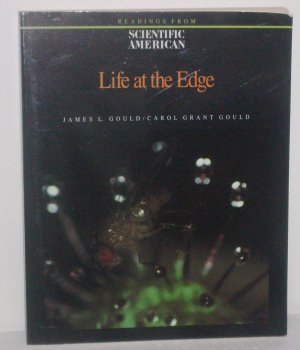
Life at the Edge is an exciting collection of articles that shows us ow life manages to eke out an existence where, by all rights, it shouldn't and helps us to appreciate the roles of energy and the building-block elements in the cycles of life. Here we'll discover how some fish flourish in the dark and icy waters of Antarctica; how life thrives in deep-sea volcanic vents amid deadly concentrations of hydrogen sulfide, where photosynthesis is impossible for lack of light. Here we'll learn how some animals survive by eating poisonous plants, and how a variety of extraordinary plants have evolved to live in nutrient-poor bogs by turning the tables -- and eating animals.
Finally, we'll tour the grisly but fascinating world of the obligate parasite, totally dependent on its unwilling host for sustenance, avoiding or even exploiting defenses created to guard against parasitism.
Extraordinarily well written, featuring introductory sections by the editors, and full of the excitement of discover, Life at the Edge gives us a glimpse at the blind, pragmatic, wonderfully inventive nature of natural selection.
This oversized paperback book is in very good condition with one corner bend.